
Clean, Clean and Learn
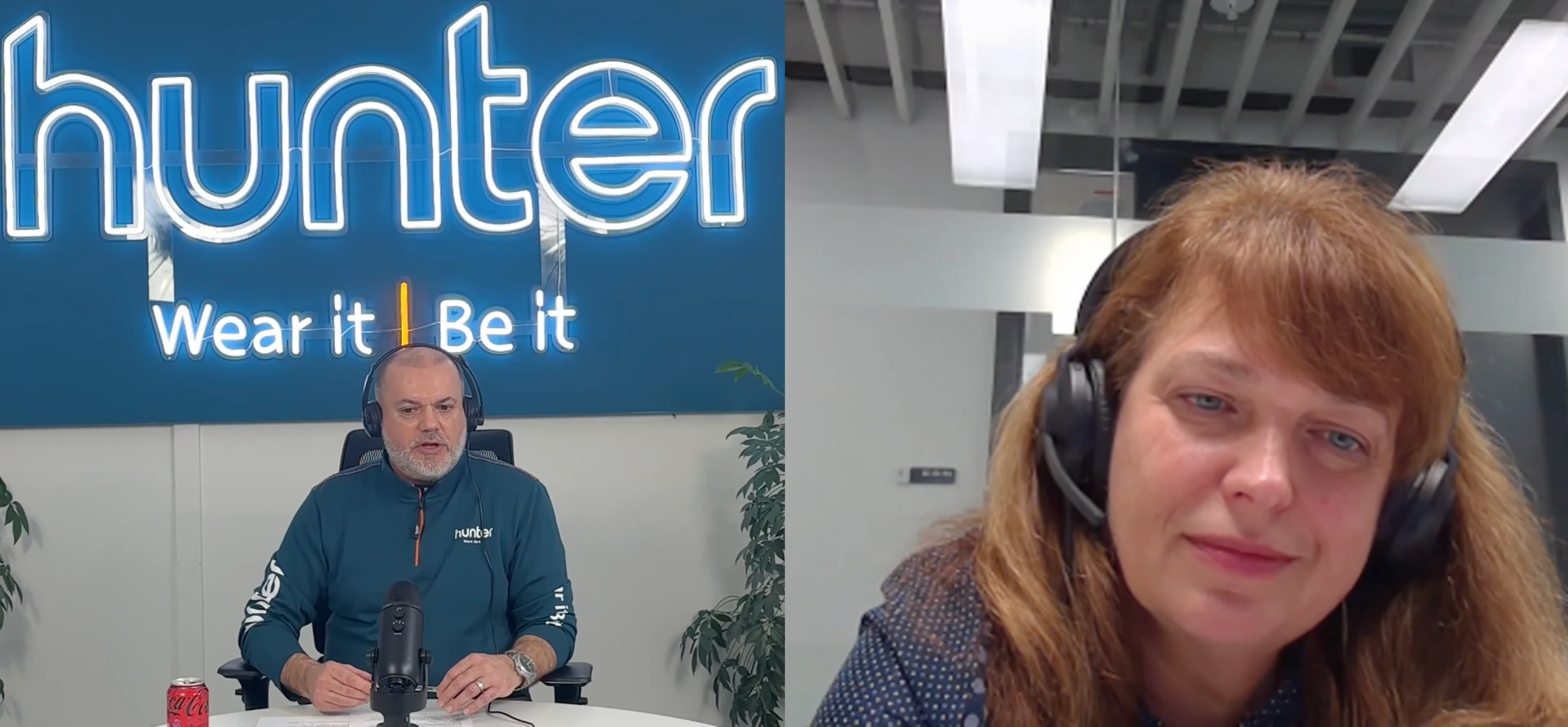
In a recent podcast-style interview, the leader of the InToxFIRE project, Dr. Svetlana Tretsiakova-McNally, speaks with Simon Hunter, CEO of Hunter Apparel Solutions, on the Hunter Wear It Be It platform. The discussion explores current research on toxic chemicals generated during fires and the implications for firefighter safety, personal protective equipment (PPE) design, and operational practices.
A summary of the interview is presented below. You can watch the full interview to hear more about the current challenges in fire toxicity research and the steps being taken to improve firefighter safety.
Firefighter Health Risks, Based on Research from InToxFire Project at Ulster University.
Cocktail of fire-ground toxic chemicals
The interview highlights the complexity of chemical exposure in structural fires and the importance of improving both scientific understanding and practical measures to reduce associated risks.
As discussed in the interview, structural fires generate a wide range of toxic chemicals as modern materials burn and degrade including cyclic (aromatic) compounds, volatile organic compounds (VOCs), and semi-volatile organic compounds (SVOCs). Plastic-related substances such as phthalates (i.e. endocrine disruptors) may also be released alongside other toxic compounds, according to recent findings from the InToxFIRE project. Understanding how these compounds are generated, how they behave during fires, and how they persist afterward remains a key challenge for fire toxicity research.
Research within the InToxFIRE project has shown that some of these toxic chemicals can diffuse through layers of firefighters’ protective clothing towards the skin. This process may contribute to health risks for firefighters and highlights the importance of understanding how chemicals interact with firefighters’ PPE and other surfaces encountered during operations.
Lithium-ion batteries and associated challenges
The interview also addresses emerging challenges related to lithium-ion battery fires. As these batteries become increasingly common in consumer electronics, mobility devices, and energy storage systems, incidents involving battery failures are becoming more frequent. From chemicals perspective, such fires may release additional toxic compounds and introduce new exposure risks. Research and operational practices are developing in terms of reducing their associated hazards, however, there are serious challenges like lack of comprehensive standards remaining to address these incidents effectively.
Reducing toxic chemical exposure is closely linked to the development of safer materials. The discussion highlights ongoing efforts to design novel materials that maintain performance while reducing the release of hazardous substances during combustion.
PFAS in PPE and the search for alternatives
Another important topic discussed in the interview is the presence of PFAS finishes in firefighter protective clothing, its advantages on PPE protective performance, its health-related risks, and challenges and policies associated with their removal from PPE in USA and UK. The interview notes that emerging approaches, including the potential use of artificial intelligence, may support the design and identification of substitute materials. However, the lack of suitable standards remains a significant challenge in this area.
Decontamination and advice to firefighters
The discussion also addresses the difficulties associated with decontaminating firefighters’ PPE. During firefighting operations, protective clothing can accumulate residues from combustion products and other hazardous substances. Effective decontamination procedures are therefore essential to reduce secondary exposure, although some contaminants remain difficult to remove from fabrics and equipment.
Alongside scientific and technological challenges, the interview emphasises practical actions that can help reduce exposure risks for firefighters. These include consistent decontamination procedures, adherence to operational guidelines, and continuous training and education about emerging hazards.
When asked to summarise the key message from the InToxFIRE research for firefighters, Dr. Tretsiakova McNally provided a simple but clear piece of advice:
“Clean, Clean, Learn.”
This message highlights the importance of regular and thorough decontamination, adherence to established regulations, periodic cleaning of PPE, and ongoing learning about the risks associated with toxic chemicals in fires. It also emphasises the need to use appropriate PPE for different operational situations, ensuring that firefighters are properly protected depending on the nature of the incident.
To learn more about these topics and hear the full discussion, watch the complete interview on the Hunter Wear It Be It platform
Stay tuned for more updates on the InToxFIRE project and future developments in fire protection research.