
Updates on InToxFIRE project from May to August 2026

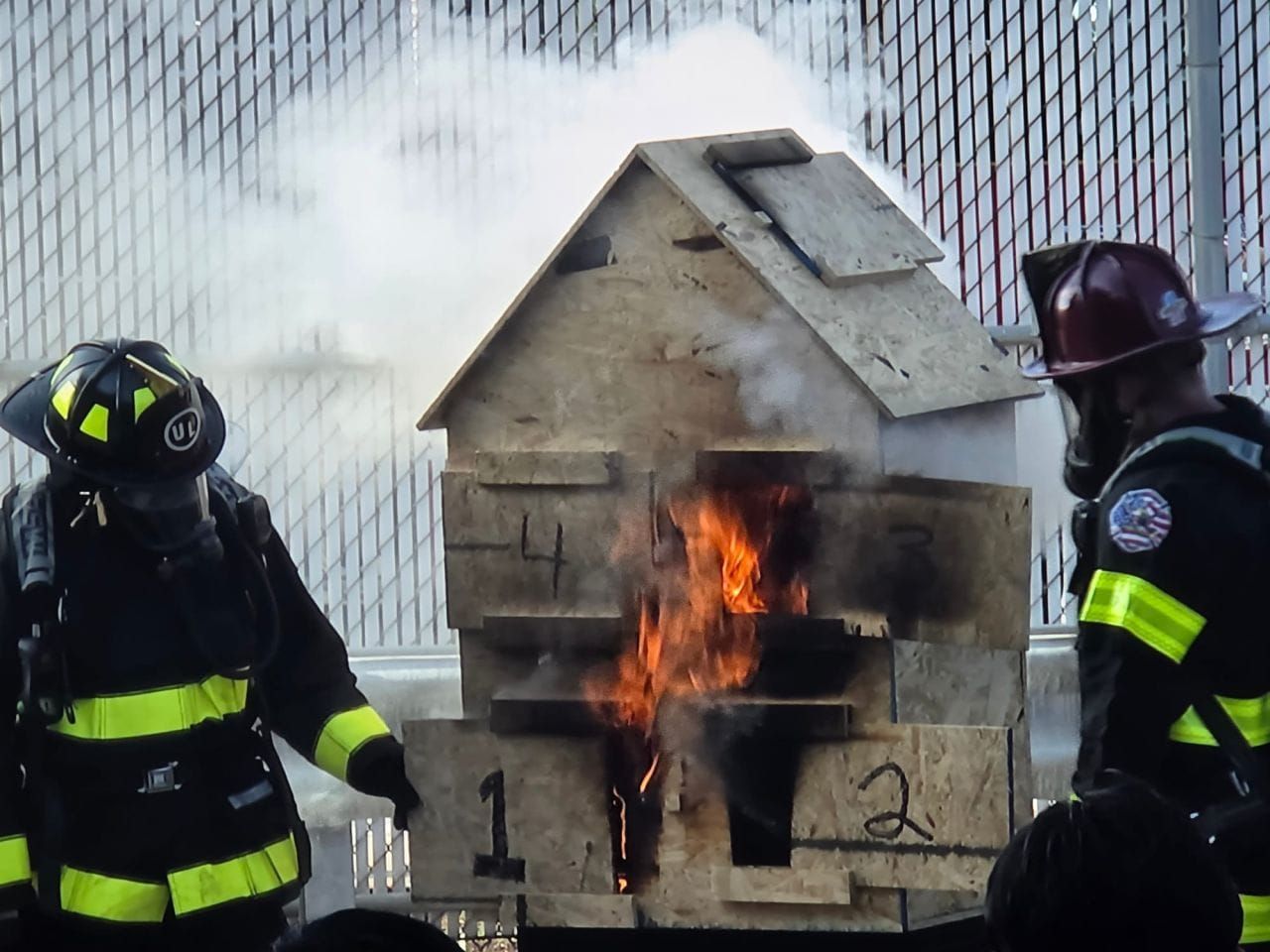
From May to August 2026, the InToxFIRE team continued to progress with several aspects of the project from experimental assessments to focus group discussions, and to promote its achievements through a range of high-profile conferences, workshops, symposiums and research networking activities, and to engage with the professionals in fire safety and occupational hazard specialists globally.
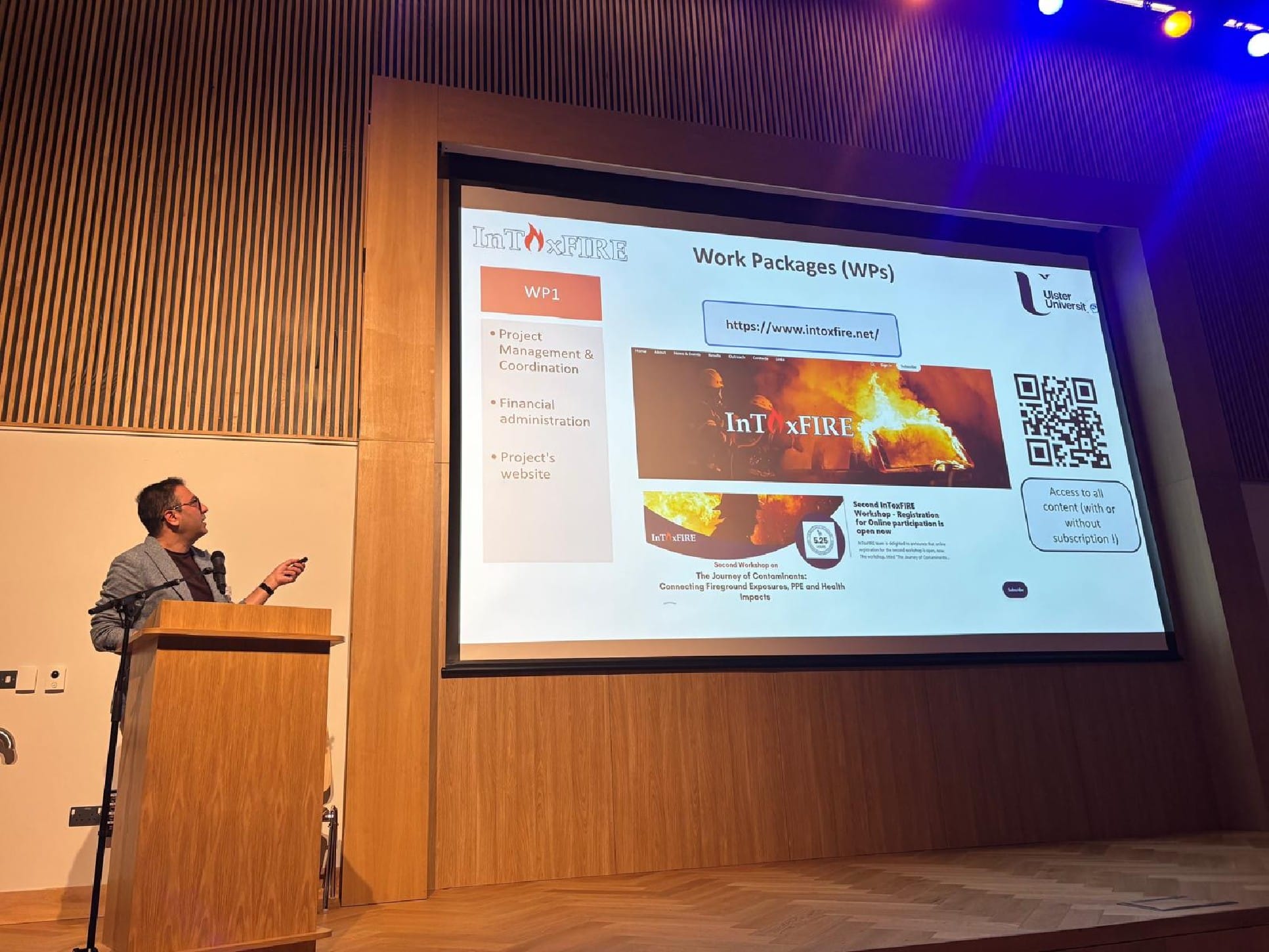
In May, Dr. Hamed Rasouli Sadabad delivered an invited talk at the Fire Investigators Association of Ireland (FIAI) Annual Training Conference 2026, held on at the Northern Ireland Fire and Rescue Service (NIFRS) Learning and Development College (LDC). The presentation provided an opportunity to introduce the aims and achievements of the InToxFIRE project and to discuss opportunities for stronger engagement between fire and rescue services, firefighters, fire investigators, academics and other stakeholders.
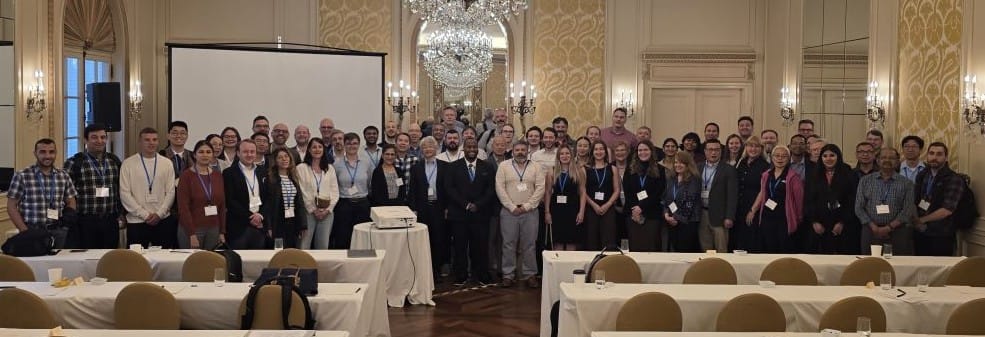
Dr. Svetlana Tretsiakova-McNally also represented InToxFIRE at the Fire and Polymers 2026 workshop in San Diego, USA, where she presented research on “The permeation of toxic combustion products through new and retired firefighters' jackets”. The multidisciplinary workshop brought together researchers from polymer science and engineering, materials science and fire safety, providing an excellent opportunity to exchange ideas and discuss current challenges in fire safety and materials research.
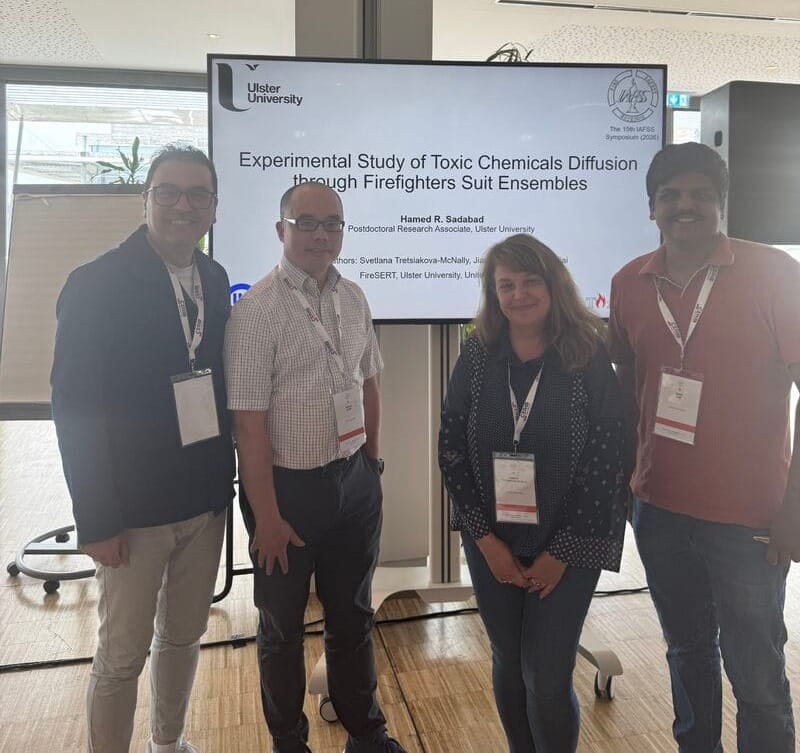
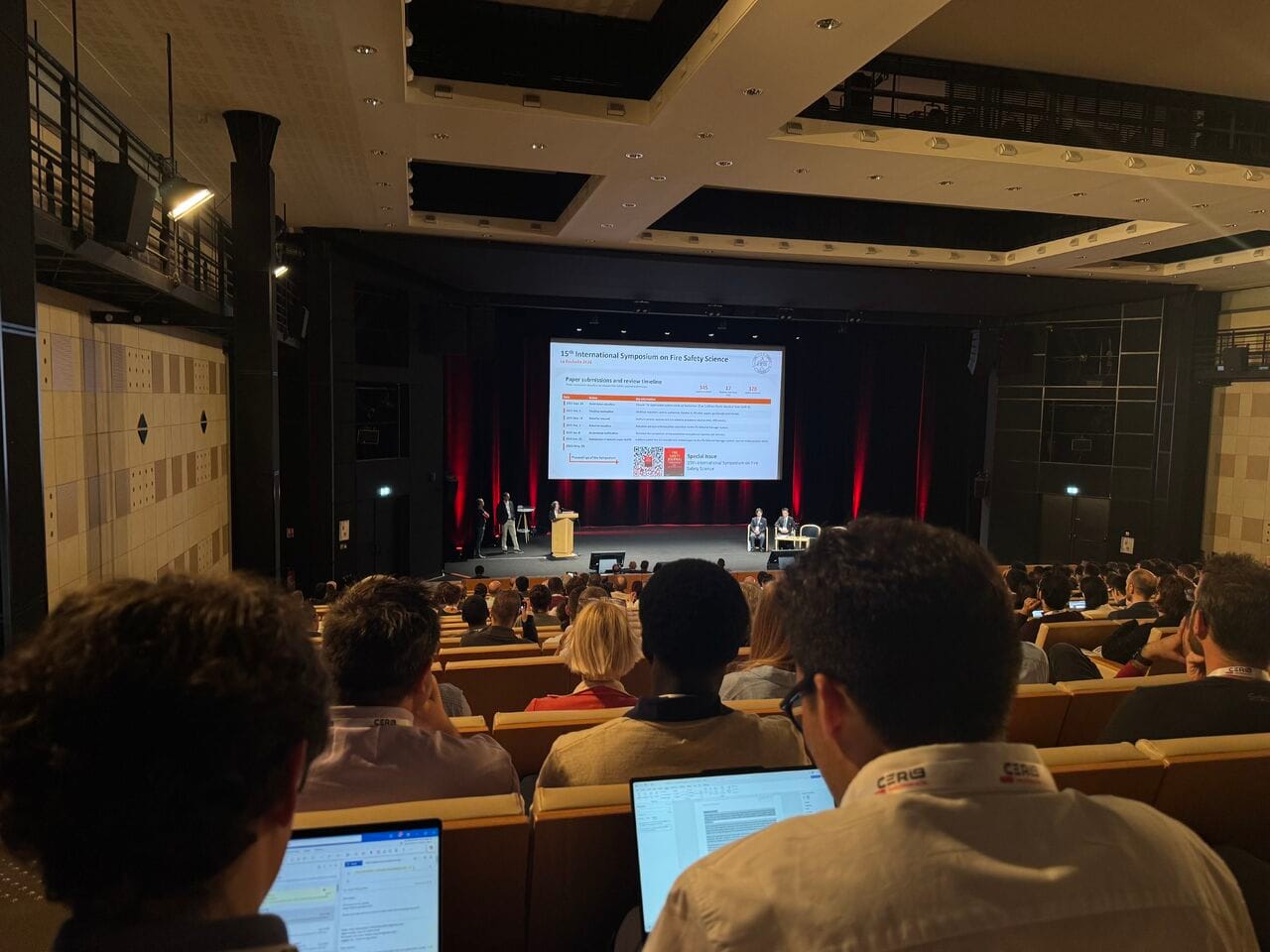
In June, Hamed, Svetlana, Jianping and Asith attended the 15th International Association for Fire Safety Science (IAFSS) Symposium in La Rochelle, France. Hamed delivered an oral presentation titled “Experimental Study of Toxic Chemicals Diffusion through Firefighters' Suit Ensembles” which was published in Fire Safety Journal, and Asith presented a poster on “Modelling Heat and Toxic Chemicals Transfer through Firefighters' Multilayer Clothing”.
The symposium provided an excellent international platform for presenting InToxFIRE research, discussing recent findings with colleagues with more than 500 attendees from around the world and establishing new professional connections.
In July, Svetlana and Jianping attended the UL Research Institutes Annual Research Symposium in Chicago, USA. The symposium focused on the relationship between safety science, education and societal impact and provided further opportunities to exchange knowledge, strengthen collaborations and discuss how research can contribute to improving safety.
In August 2026, InToxFIRE organised online focus group discussion meetings with professionals from Europe, Asia, Africa and Oceania and United Kingdom, bringing together firefighters, fire service leaders, station commanders, university researchers, health and safety representatives and professionals from decontamination companies to share their experiences and views on firefighter exposure to fire-generated contaminants.
The discussions were structured around three main themes: experience in the Fire and Rescue Service; PPE and decontamination; and training and future needs. Participants shared valuable experiences of contamination within firefighters' PPE and identified PPE interfaces, including the neck, wrists, gloves and hoods, as particularly important areas requiring further attention.
These meetings were recorded for further assessment and the outcomes of the discussions will be shared on the Results tab of the website in the form of reports after being reviewed.
The discussions highlighted several challenges associated with PPE design and decontamination. Participants discussed the need to balance protection against contaminants with heat stress and comfort, while ideas including one-piece garments, removable membranes, longer or particulate-blocking hoods and lighter materials were discussed. Helmets and gloves were identified as areas requiring greater attention from the decontamination perspective. Training was another important topic. Participants reported considerable differences in existing training arrangements between fire and rescue services. A combination of e-learning and practical, station-based scenarios was strongly recommended, with short training videos also suggested as a useful approach. Greater attention to doffing and packaging contaminated PPE was identified as another important training need.
The focus group discussions provided valuable insights into training needs and the practical challenges faced by firefighters and fire and rescue services. These meetings will continue in the coming months and drop an email to H.RasouliSadabad@ulster.ac.uk if you are interested in being involved.
The InToxFIRE team looks forward to continuing to share project developments, research outcomes and future events with the global fire safety community.
Stay tuned for more updates on the InToxFIRE project and future developments in fire protection research.